

Tick Facts
* National Library of Medicine
Ticks (Ixodida: Argasidae, Ixodidae, Khimairidae, and Nuttalliellidae) of the world - PMC
** Source: CDC
https://www.cdc.gov/lyme/causes/index.html
Types of Ticks
Learn more about seven of the most common ticks across the U.S. Each one lives in different places and can carry different diseases.


What to Do If You Find an Embedded Tick
Take a breath. Removal can be quick and easy, and fast removal lowers the risk of infection and disease.
Step One
Remove the Tick
Step Two
Clean the Area
Step Three
Save the Tick and Note the Details
Step Four
Watch for Symptoms
Tick Bite Prevention


ILLNESSES AND SYMPTOMS
Learn more about tick-borne diseases in the U.S. and what symptoms to look for.
LYME DISEASE
Onset: 3 to 30 days
Bacterial infection, often marked by an expanding bull’s-eye rash, fever, fatigue, and joint aches. If left untreated, it can spread to the joints, heart, and nervous system.
ALPHA-GAL SYNDROME
Onset: Weeks to months after a bite. Reactions start 2–6 hours after exposure to products containing alpha-gal.
An allergy, not an infection. A tick bite can lead the immune system to react to alpha-gal, a sugar found in red meat, dairy, and some medications. Reactions range from mild to life-threatening and may not happen every time. New bites can bring symptoms back.
POWASSAN VIRUS
Onset: 7 to 30 days
A rare but serious viral infection that can cause encephalitis or meningitis. There’s no vaccine or specific treatment, and it can be transmitted within minutes of a bite.
EHRLICHIOSIS
Onset: 5 to 14 days
Bacterial infection that causes flu-like fever, headache, muscle pain, and sometimes nausea or rash. It can turn serious quickly without prompt treatment.
TULAREMIA
Onset: 1 to 14 days
Bacterial infection that often causes a skin ulcer at the bite site, swollen lymph nodes, and high fever. This disease is not exclusive to tick bites. It also spreads through handling infected rabbits or rodents.
BABESIOSIS
Onset: 7 to 28+ days
Parasitic infection of red blood cells, like malaria. Many people have no symptoms, while others get fever, chills, and anemia. This disease is not exclusive to tick bites. It can also spread through blood transfusions.
TICK-BORNE RELAPSING FEVER
Onset: 4 to 18 days
Bacterial infection with repeating cycles of high fever, each lasting a few days. While rare, it can be picked up while sleeping in areas with elevated rodent activity.
ANAPLASMOSIS
Onset: 5 to 14 days
Bacterial infection of white blood cells causing fever, headache, chills, and muscle aches. Usually mild with prompt antibiotics, but it can be severe in at-risk populations.
SPOTTED FEVER RICKETTSIOSIS (INCLUDING ROCKY MOUNTAIN SPOTTED FEVER)
Onset: 3 to 12 days
Bacterial illness that starts with fever and headache, often followed by a spotted rash. Rocky Mountain spotted fever can be fatal if treatment is delayed.
Additional Resources

How to Protect Kids from Ticks at Summer Camp: Expert Tips to Keep Campers Safe
From hiking trails to campfire nights, summer camp is full of outdoor adventures. Experts from the Alliance for Camp Health and SC Johnson Center for Insect Science share simple ways to help protect kids from ticks.

10 Essential Facts About Ticks
Learn how to repel ticks, how they may spread diseases like Lyme disease and how to remove them.

The White Sheet Tick Check
How to Check for Ticks In Your Backyard & Other Outdoor Areas

8 Common Questions about Mosquitoes and Ticks
Frequently Asked Questions
TICK FACTS & IDENTIFICATION
The blacklegged (deer) tick, western blacklegged tick, lone star tick, American dog tick, Rocky Mountain wood tick, brown dog tick, and Gulf Coast tick.
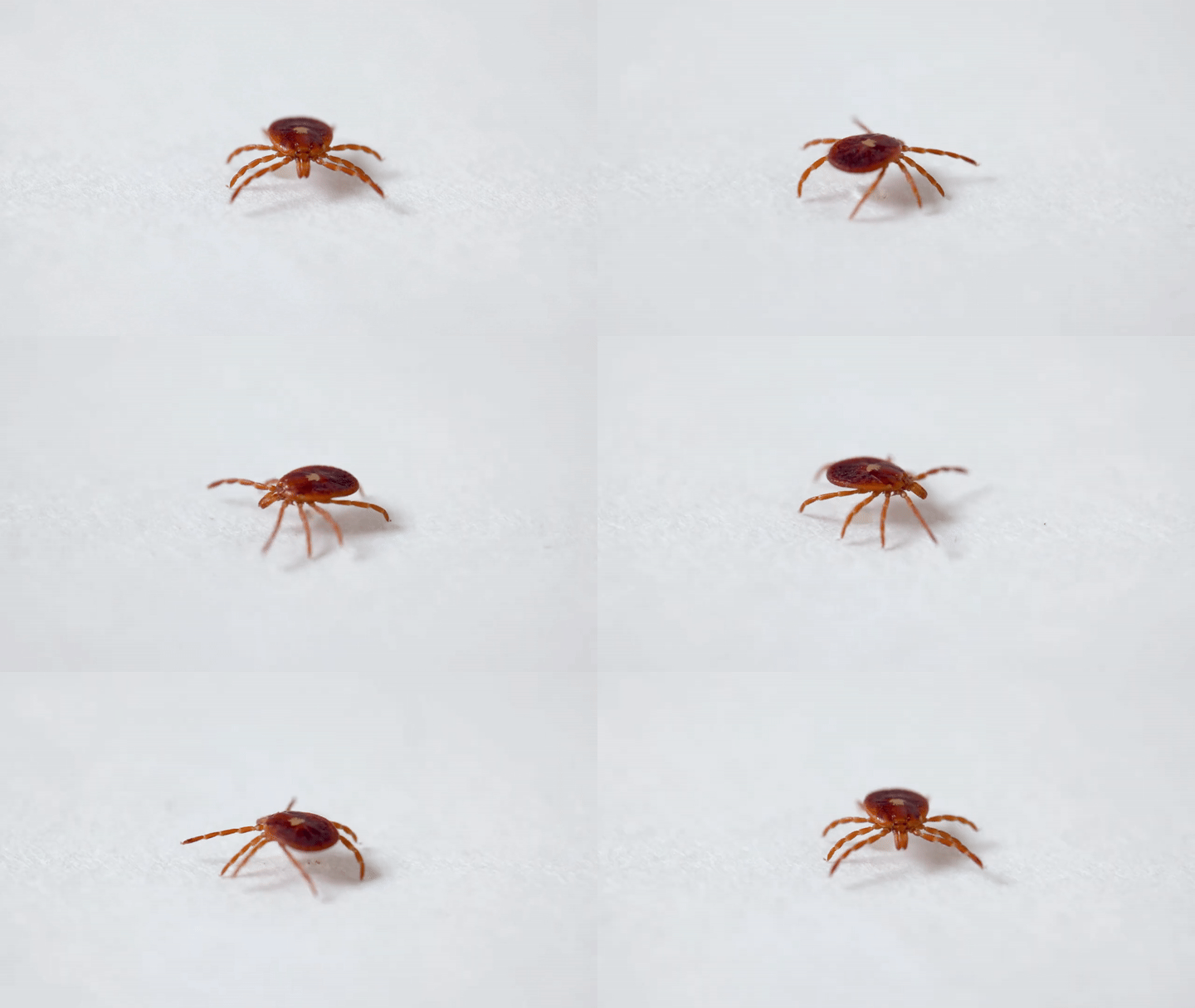
An unfed tick is flat and teardrop shaped. Larvae are no bigger than a grain of sand. Nymphs are no bigger than a poppy seed. Adults are, of course, bigger. An engorged tick is swollen and rounded, usually gray or bluish, with legs that look tiny next to its body. An engorged tick has likely been attached for some time, so risk for disease is elevated; an unfed tick may have only recently latched on.
The nymph stage is the stage between larval ticks and adult ticks. Nymphs are about the size of a poppy seed, so they’re easy to miss, and they’re most active in late spring and summer when people spend the most time outdoors. Most Lyme disease cases come from blacklegged (deer) tick nymphs.
Warm, hidden spots: the scalp and hairline, in and behind the ears, the armpits, inside the belly button, around the waist, between the legs, the groin, and behind the knees. It’s also important to check yourself out. Consider using a mirror or asking someone to help.
TICK BITE MANAGEMENT
Grasp the tick as close to the skin as possible with fine-tipped tweezers. Pull upward with steady, even pressure, without twisting or jerking. If the mouthparts break off, you can carefully try to remove them; if you can’t, leave the area alone and let it heal. Mouthparts that are left behind will not increase the risk of disease transmission and will usually work themselves out like a splinter. Clean the bite area and your hands with rubbing alcohol or soap and water. Don’t crush the tick with your fingers, and skip unproven remedies like petroleum jelly, nail polish, or heat.
Most bites don’t need a doctor’s visit. Call a provider right away if a rash, fever, or flu-like symptoms appear in the weeks after a bite. If you were bitten by a blacklegged tick that was attached for 24-72 hours (about 1-3 days) or more in an area where Lyme disease is common, ask about a preventive antibiotic, which works best within 72 hours (about 3 days) of removal.
For up to 30 days (about 4.5 weeks), watch for a rash (bull’s-eye or spotted), fever, chills, headache, fatigue, muscle or joint aches, and swollen lymph nodes. A delayed allergic reaction 2 to 6 hours after eating red meat can signal alpha-gal syndrome, which is linked to lone star tick bites.
Saving it is a good idea. Put it in a sealed Ziploc® bag or container and place it in a freezer. Note the date and where on the body you were bitten, because knowing the species helps your doctor.
The CDC doesn’t recommend testing the tick to decide on treatment. A tick that tests positive doesn’t mean you were infected, and a negative result doesn’t rule out infection.
TICK BITE RISK REDUCTION
Dress kids in light-colored long sleeves and long pants to cover high-risk areas and to make ticks easier to spot. Tuck their shirts into the waist of their pants and tuck the bottom of their pants into their socks to help minimize exposure.
Yes. Dogs and outdoor cats regularly carry ticks inside, and dogs can get several of the same diseases people do. Use a vet-recommended tick preventive year-round, check pets daily after they’ve been outside, and ask your vet about the Lyme vaccine for dogs. Never use dog tick products on cats, because some contain ingredients that are toxic to cats.
Mow often, clear leaf piles and keep play sets in the sun, away from the edges of the yard. A 3-foot strip of wood chips or gravel between your lawn and wooded areas helps keep ticks out. Stack firewood neatly in a dry spot, keep play areas away from yard edges and trees, and discourage deer and rodents with fencing and tidy landscaping. For heavy infestations, a licensed pest professional can apply a targeted tick treatment.